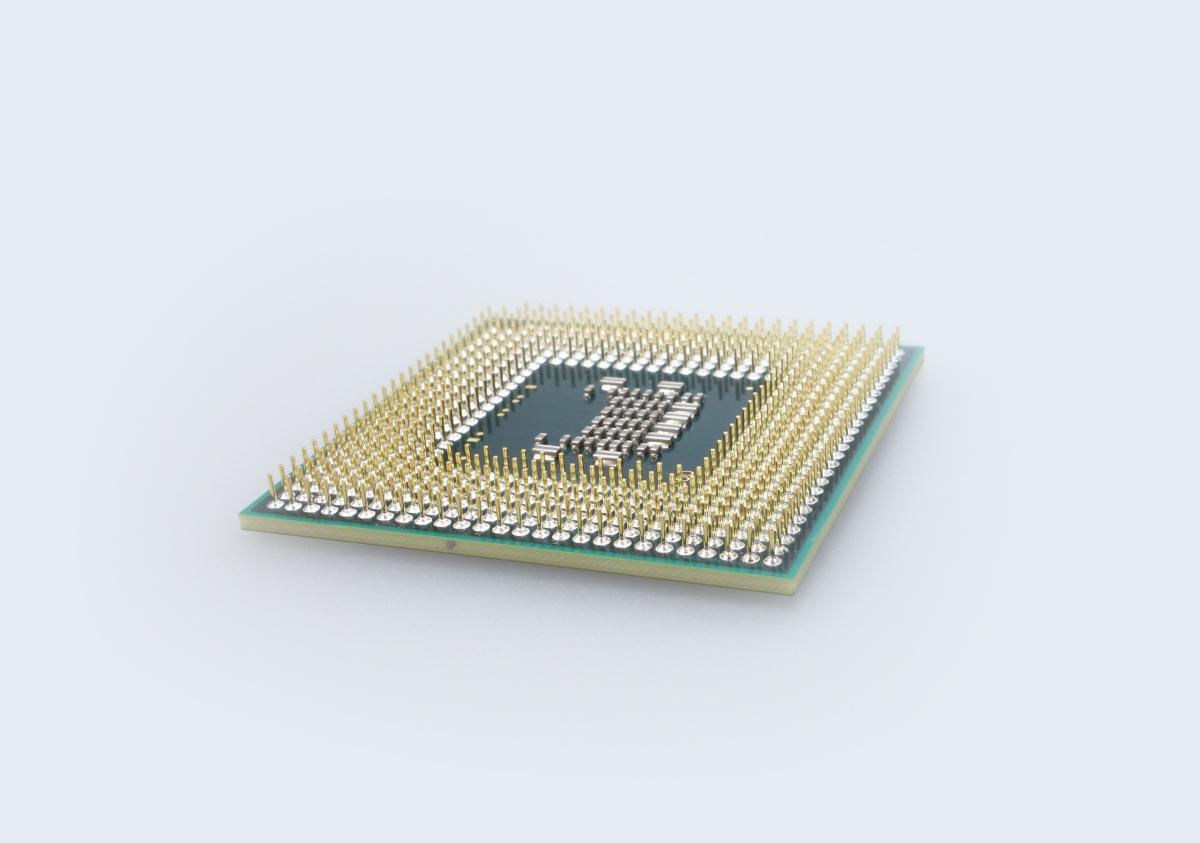
I recently read Chip War by Chris Miller and found it to be a thought provoking exploration of the global supply chain for semi conductors. Most interesting was the historical context and economic analysis of the complexities of the current semi conductor supply chain and how the United States has wielded this technology as an ambassador of democracy across the globe. This book was particularly interesting when considering the recent efforts by the U.S. Administration to revitalize semi conductor manufacturing in the United States via the CHIP Act. Even though the U.S. maintains control over this industry, their control is waning, which is placing the U.S. at risk of losing military and economic superiority.
The US Leads With Cutting Edge Design & Research
One advantage maintained by the U.S. is it leads the way with the latest chip design and research. The latest computer chip architectures increase computing power by shrinking transistors to smaller and smaller sizes, roughly following Moore’s Law to double the number of transistors per chip every two years. In the late 1970’s, the United States was quick to recognize the military and economic advantages provided by semi conductors. Overnight, bombs became more accurate and computing became more powerful allowing decisions to be made quicker and spawning an entirely new industry based on these chips. However, as the U.S. began to rely more and more on semi conductors, the cost needed to come down. This was achieved by outsourcing the labor to cheaper locations (mainly Asia), which subsequently made these countries reliant on the U.S. demand for chips. This allowed the United States to influence these countries to their advantage.
A Technology with Geo-Political Consequences
One side effect of outsourcing the manufacturing of semi conductors is the supply chain quickly became dispersed across the globe. Leading research was conducted in the United States, specialized equipment was manufactured in Europe and cheap labor in Asia completed the package. Until recently, most of this supply chain was driven by the top chip companies such as AMD, Intel and Nvidia. However, other countries, such as China, have recognized the huge economic and military advantages offered by semi conductors and as a result have started chipping away (pun intended) at the United State’s control of the semi conductor supply chain.
The US Can’t Compete On Manufacturing Costs
Despite the passing of the CHIP Act, the United States faces a significant battle to wrest chip manufacturing from the countries in Asia (and mainly Taiwan). The cost of labor in the United States is significantly higher than other countries. Additionally, countries such as Taiwan, South Korea, Japan, Vietnam and China have heavily subsidized computer chip manufacturing in order to maintain a foothold in the global supply chain. In order to compete, the United States will have to make an extreme effort to bring all aspects of manufacturing into the country including heavy tax breaks and subsidies. This will effectively turn into economic warfare on a global scale as the top chip manufacturing countries attempt to drive down costs in order to be the most attractive location for manufacturing.
Supply Chain Choke Points Are Controlled by the US and its Allies (For Now)
However, driving down costs won’t be easy. The highly specialized equipment required to manufacture chips needs to be refreshed every time there is a new breakthrough. The costs are tremendous and make it difficult to break into the industry. Instead, the U.S. has been focusing on maintaining control of particular aspects of the supply chain and even blocking acquisitions of strategic companies by foreign entities. The United States also exerts pressure on the countries within this global supply chain to allow it to maintain an advantage. Yet, as new countries rise to power (China) and seek to control their own supply chains, these choke points will dwindle. Additionally, as non U.S. allies (frenemies?) gain market share in the chip supply chain, the U.S. and its allies need to consider the security of the chips they are receiving from these countries.
Final Thoughts
Chip War by Chris Miller is a fascinating look into the history and global supply chain of semi conductors. For the past 50 years the United States has maintained military and economic advantages over its rival countries as a result of semi conductors. However, this advantage has been waning over the past two decades. The CHIP Act is recognition that the United States must begin to claw back some of the globalization of the supply chain and bring critical parts of the industry back to the U.S in order to maintain economic and military superiority in the future.


